
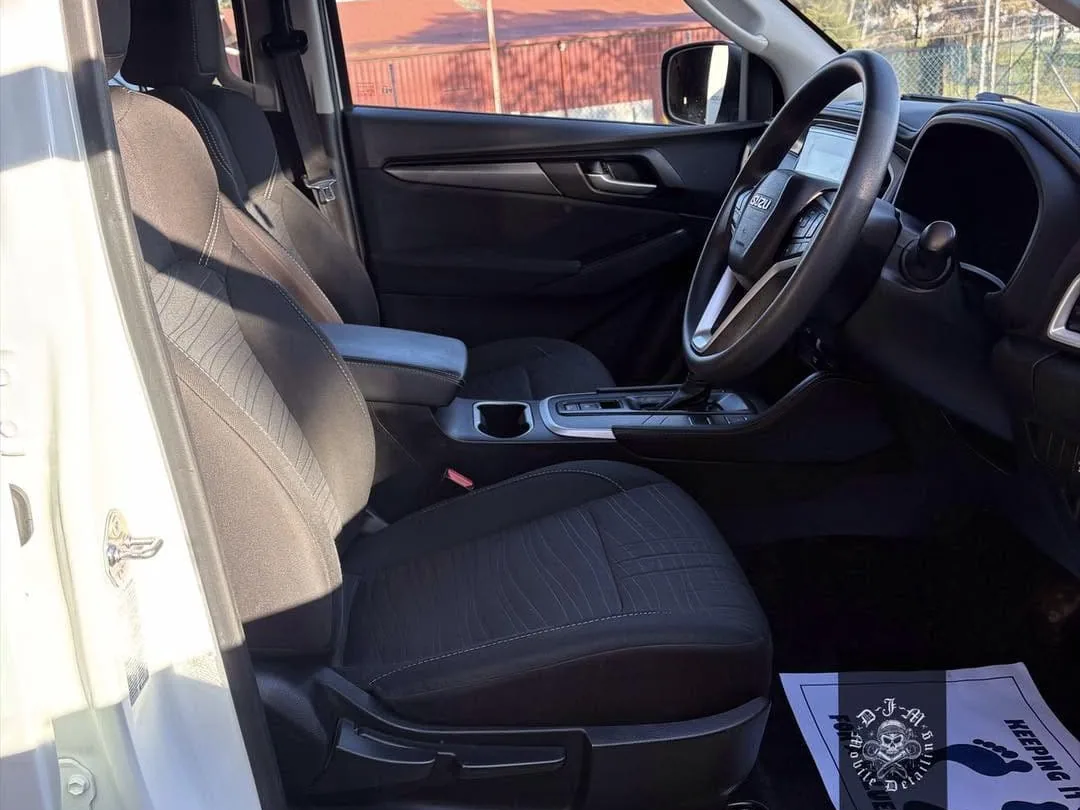
Our full interior service covers everything from a thorough family-car deep clean to the genuinely unpleasant jobs: mould outbreaks after a wet winter, vomit after a big night, blood after an accident, rodent damage, and vehicles that need proper sanitising before they're safe to use again.
We approach the hard jobs the way a professional cleaner approaches a biohazard — correct PPE, hospital-grade disinfectants, enzyme treatments for organic matter, hot-water extraction and ozone or chlorine-dioxide treatment for odours that have soaked into the cabin. The result isn't a car that smells like perfume over the top of a problem; it's a car that is actually clean.
We're discreet. Many of these jobs come from insurers, fleet managers, rideshare drivers and families who'd rather not explain the details, and we don't need them to.
What a full interior detail covers
- Complete removal of mats, child seats and loose items; full vacuum including seat rails, under seats and boot
- Fabric seats, carpets and mats shampooed and hot-water extracted
- Leather cleaned with a dedicated cleaner and conditioned
- Dash, console, door cards, vents, switches and pillars detailed and UV-protected
- Headlining spot-cleaned (full headlining cleaning available)
- Interior glass and mirrors streak-free
- Odour neutralising treatment as standard
- Mould remediation: kill, remove, extract and treat to prevent regrowth
- Biohazard clean-up: vomit, blood, urine and other bodily fluids using enzyme and hospital-grade disinfectant protocols
- Quarantine / sanitising clean for rideshare, fleet, rental and medical-transport vehicles
Mould, biohazards and why DIY usually makes it worse
Mould. A car that's been left closed up through a damp Bendigo winter — or has a leaking seal, blocked sunroof drain or wet carpet from a spilt drink bottle — can grow visible mould in a few weeks. Wiping it off with a supermarket spray removes the colour but not the organism, and the spores are already through the carpet underlay, seat foam and vents. Proper remediation means killing the mould with an appropriate biocide, physically removing it, extracting the fibres, drying the cabin and treating the ventilation system. We also look for the source of the moisture — fixing the mould without fixing the leak is a two-month fix.
Vomit, blood and bodily fluids. Organic matter needs enzyme treatment to break down the proteins; otherwise the smell returns on the first hot day no matter how clean the surface looks. Blood in particular must be treated as a biohazard. We use gloves, appropriate disposal and hospital-grade disinfectant, and we extract repeatedly until the water runs clear. If it's soaked into seat foam we'll tell you honestly whether the foam can be saved.
Odour. Once the source is removed, lingering odours (smoke, mould, animal, fuel) are treated with an ozone or chlorine-dioxide cycle that reaches into the vents, headlining and foam where sprays can't. Done after cleaning, not instead of it.
How we handle an interior restoration
- 01
Assessment
Photos or a quick inspection so we know what we're dealing with and can quote accurately. For biohazards, tell us as much as you're comfortable with.
- 02
Strip & contain
Mats and removable items out, contaminated material contained and disposed of properly.
- 03
Treat
Enzyme or biocide treatment appropriate to the contamination, dwell time respected, then agitation.
- 04
Extract & dry
Hot-water extraction, repeated until clean, then forced drying.
- 05
Sanitise & deodorise
Hospital-grade disinfectant on all touch points, then ozone/ClO₂ treatment for the cabin and vents.
What affects the price
We quote every job individually rather than publishing a one-size price, because these are the things that actually move it:
- Type and extent of contamination (a mould bloom on one seat vs a whole cabin)
- Whether seat foam or underlay is affected
- Vehicle size and seat count
- Whether an ozone / ClO₂ odour cycle is required
- Urgency — same-day call-outs where we can fit them
Send us the vehicle, suburb and a photo or two and we'll give you a fixed price — no obligation.
Good for
- Mould outbreaks after a car's been sat or has a leak
- Post-party, post-accident and post-illness clean-ups
- Rideshare, taxi, rental and fleet sanitising
- Cars bought second-hand with a mystery smell
- Vehicles used to transport pets or livestock
Full Interior Detailing questions
Can you really remove mould from a car, or will it come back?
Yes, if it's remediated properly — killed, removed, extracted and the vents treated — and the moisture source is fixed. If it comes back, it's almost always because water is still getting in. We'll point out the likely source while we're there.
Do you clean up blood and vomit?
Yes. We treat these as biohazard clean-ups with the appropriate PPE, enzyme treatment, disinfectant and disposal. We're discreet and don't need the backstory.
How long does the car need to air out after ozone treatment?
We ventilate the car before handing it back. You may notice a faint 'after a storm' smell for a day, which fades quickly. Nothing harmful remains.
Can you remove cigarette smoke smell?
Smoke is one of the hardest odours because the tar coats every surface including the headlining and vents. Our full process — surface clean, headlining, extraction and ozone — removes it in the vast majority of cars. Very heavy, long-term smoking cars may need a second cycle.
Do you do child seats?
We clean the car around them and can clean the seat cover if it's removable, but we don't reinstall child restraints — that's a job for you or an accredited fitter.
Do you offer a sanitising service for rideshare or fleet vehicles?
Yes — a quarantine-grade sanitising clean of all touch points and soft surfaces, available as a one-off or on a schedule.