
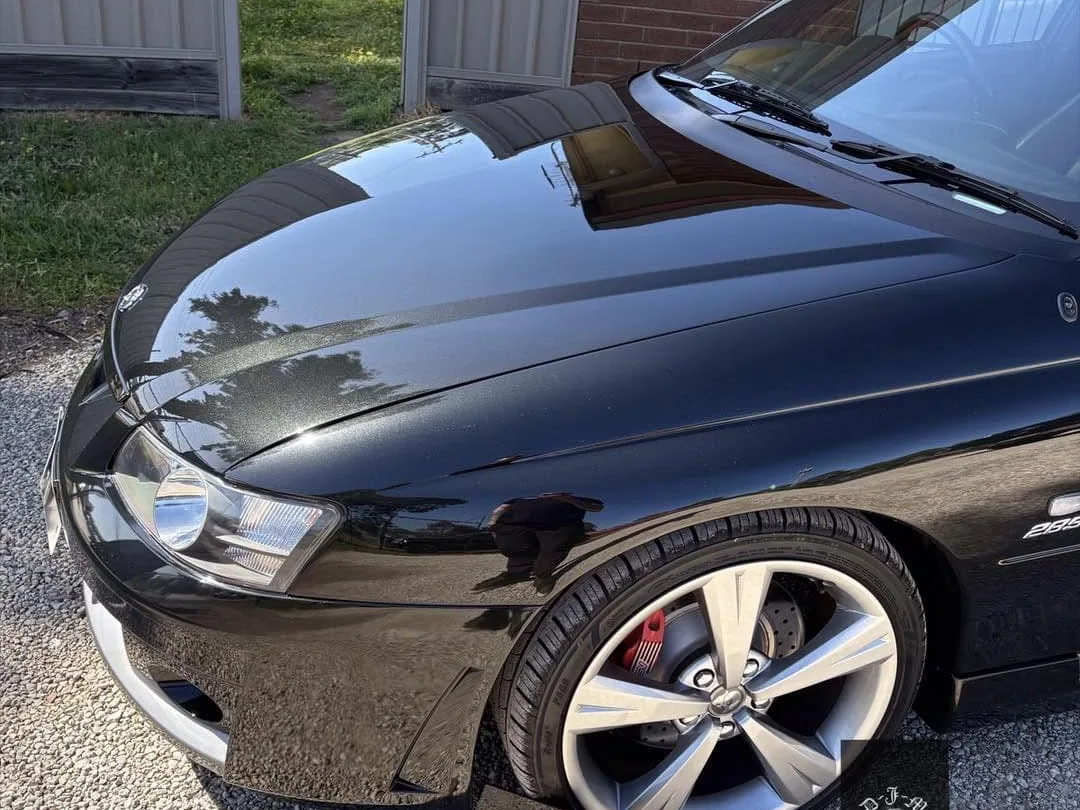
Paint correction is the process of levelling the clear coat with machine polishers and abrasive compounds so that swirl marks, scratches, etching and oxidation are physically removed rather than filled and hidden. It's the difference between a car that looks shiny from ten metres and one that looks flawless from ten centimetres.
It's also the most skill-dependent part of detailing. Too little cut and the defects remain; too much and you've thinned the clear coat. We measure paint depth before we start, test a small section to dial in the pad and compound combination for your specific paint, and work panel by panel under high-CRI lighting that shows every defect.
Correction is included at the appropriate level in every DJM ceramic coating, and it's available on its own for enthusiasts, pre-sale, or simply because you're sick of looking at the swirls the car wash left behind.
What's included in paint correction
- Full decontamination wash with iron, tar and clay
- Paint depth measurement across all panels
- Test spot to select pad/compound combination
- Stage 1: cutting compound to level swirls, scratches and oxidation
- Stage 2: finishing polish to refine the surface and maximise gloss and clarity (multi-stage packages)
- Panel wipe to reveal the true, filler-free finish
- Protection applied — sealant, or your choice of ceramic coating
- Before/after inspection with you under lights
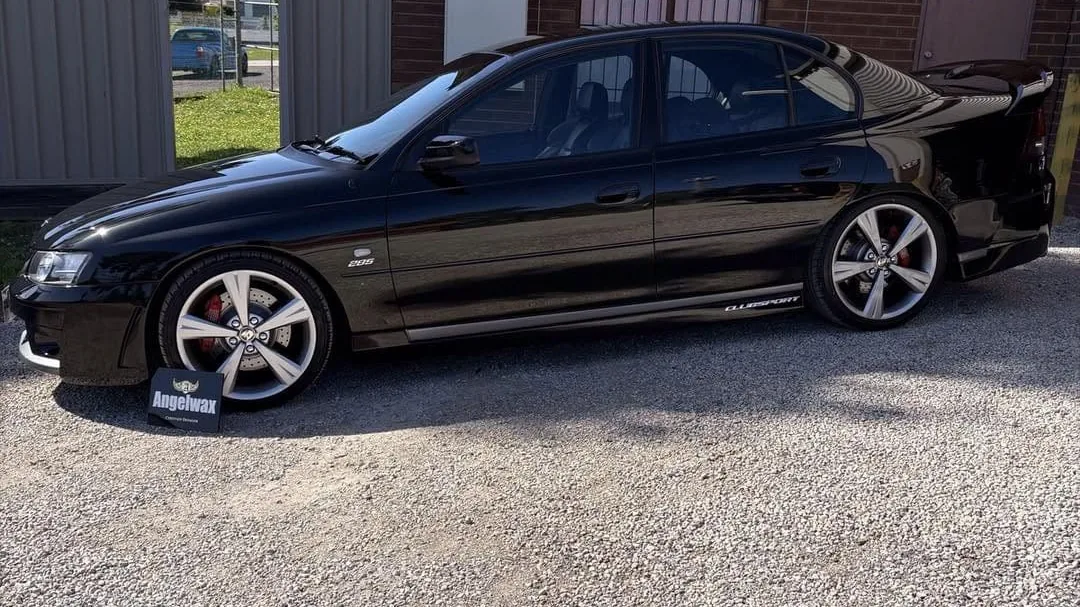
Single-stage vs multi-stage: which do you need?
Single-stage enhancement uses a medium polish and pad in one pass. It removes light swirls and wash marring, restores most of the gloss and is ideal for newer cars, lighter colours and anyone who wants a big visual improvement without chasing perfection. Most of our pre-sale and new-car coating jobs use this level.
Two-stage correction uses a heavier cut first to remove deeper defects — random scratches, heavier swirls, water-spot etching, light oxidation — and a second refining stage to remove the haze the cutting stage leaves and bring up clarity. This is the standard for dark cars, daily drivers that have had years of car-wash abuse, and anyone who wants the paint as close to perfect as it can safely be.
Multi-stage / wet sanding is for severe defects, orange peel and show cars. It's slow, it removes measurable clear coat, and it's only done where there's thickness to spare. We'll tell you honestly if a defect is too deep to remove safely — a scratch you can catch a fingernail in is generally through the clear coat and needs paint, not polish.
A note on Central Victoria: bore and tank water spotting is one of the most common things we correct here. Mineral deposits etch into clear coat when they evaporate in summer heat, and once etched they need to be polished out — no amount of washing will shift them. A ceramic coating afterwards makes them a wipe-off job in future.
The correction process
- 01
Decon & measure
Full chemical decontamination and clay, then paint depth readings on every panel.
- 02
Test spot
We dial in the right pad and compound on a small section and show you the result before committing to the whole car.
- 03
Cut
Defects levelled panel by panel with regular inspection under lights.
- 04
Refine
Finishing polish to remove micro-marring and bring out depth and gloss.
- 05
Protect
Panel wipe, then sealant or ceramic coating so the corrected finish lasts.
What affects the price
We quote every job individually rather than publishing a one-size price, because these are the things that actually move it:
- Number of stages required (single, two-stage, multi)
- Vehicle size and paint hardness (some Japanese paints are soft; many German paints are hard)
- Colour — darker colours need more refinement to finish down cleanly
- Protection chosen afterwards (sealant vs ceramic coating)
Send us the vehicle, suburb and a photo or two and we'll give you a fixed price — no obligation.
Good for
- Dark cars covered in swirl marks
- Water-spot etching and bird-dropping etching
- Oxidised or faded paint on older vehicles
- Anyone about to have a ceramic coating applied
From the studio
Paint Correction questions
Will paint correction remove all scratches?
It removes anything that's within the clear coat — swirls, light scratches, etching, oxidation. Scratches that go through to the colour or primer (you can usually feel them with a fingernail) need paint repair. We'll assess honestly before quoting.
Is machine polishing safe for my paint?
In trained hands, yes. We measure paint thickness first, use the least aggressive combination that gets the result and never chase a single defect at the expense of the clear coat. The risk comes from unskilled operators with rotary polishers and heavy compounds — not from the process itself.
How long does paint correction last?
The correction itself is permanent — the defects are gone. New defects come from how the car is washed afterwards. Protect it with a ceramic coating and wash it properly and it'll stay corrected for years.
Can you polish out water spots?
Yes. Light spotting responds to a chemical water-spot remover; etched spotting needs machine polishing. Both are common around Bendigo because of mineral-heavy tank and bore water.
Do you polish motorbikes, boats and caravans too?
Yes — see our boat, caravan and truck pages. Gelcoat and aluminium need different compounds and techniques, which we carry.